“Back to School”, but not for all
As schools open this week in Zimbabwe, the buzz is around “Back to School” preparations. Parents and guardians are juggling school fees, scrambling for last-minute uniforms and stationery purchases. These are the familiar rhythms of every new term.
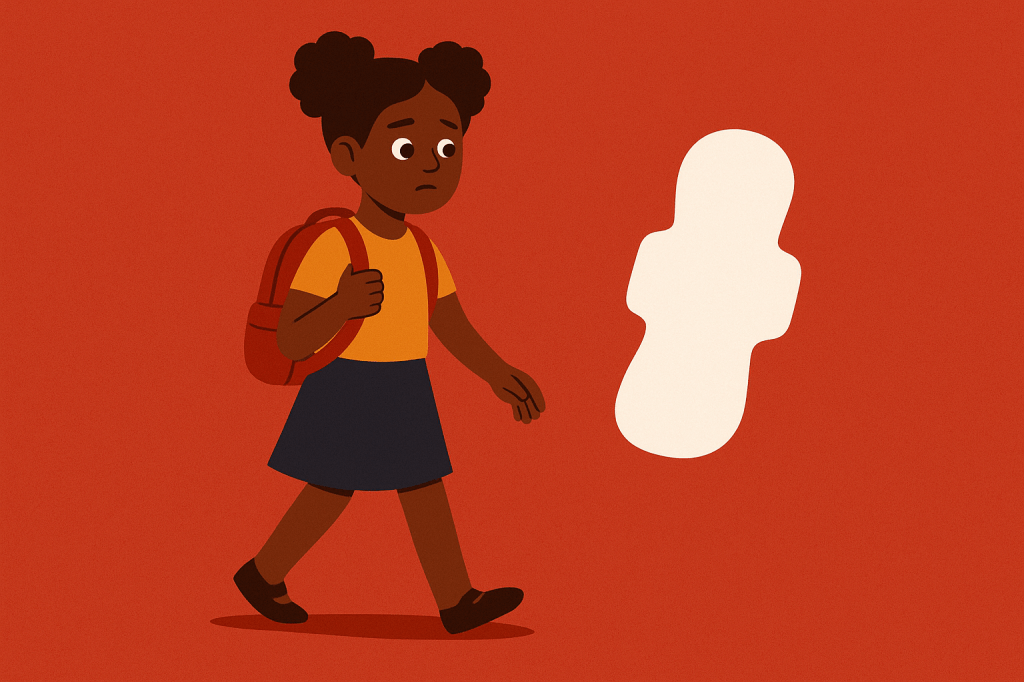
Yet, for many girls, there is a silent barrier that doesn’t make it onto the “Back to School” checklist. One that is urgent yet often overlooked: the inability to afford menstrual products.
The Hidden Cost of Period Poverty
For girls from underserved backgrounds, this reality means missing school for a few days every month. Over time, this absence widens the gap in learning, confidence and opportunities. This isn’t simply about hygiene, it is about dignity, equity and a right to education without shame or interruption.
The statistics are sobering:
- 72% of women and girls in Zimbabwe do not use menstrual products because they cannot afford them.
- 62% of school-going girls miss a few days of school every month during their period.
These are not just numbers, these are real girls, full of dreams and ambition whose potential is disrupted every month because of a natural and biological function – menstruation.
Why this matters:
The struggle for menstrual equity is not just a local or isolated issue, it is central to achieving the Sustainable Development Goals (SDGs).
When a girl misses school because of her period, it undermines SDG 4: Quality, which calls for inclusive and equitable learning opportunities for all. Menstrual health is also related to SDG 3: Good Health and Well-Being, because unsafe menstrual management can have lasting health consequences. SDG 5: Gender equality is threatened because period poverty reinforces stigma and limits the full participation of girls and women in education, work and society. Affordability is at the core of this issue and therefore menstrual equity also speaks to SDG 1: No Poverty and SDG 10: Reduced Inequalities, reminding us that access to basic needs should never depend on one’s background or income level.
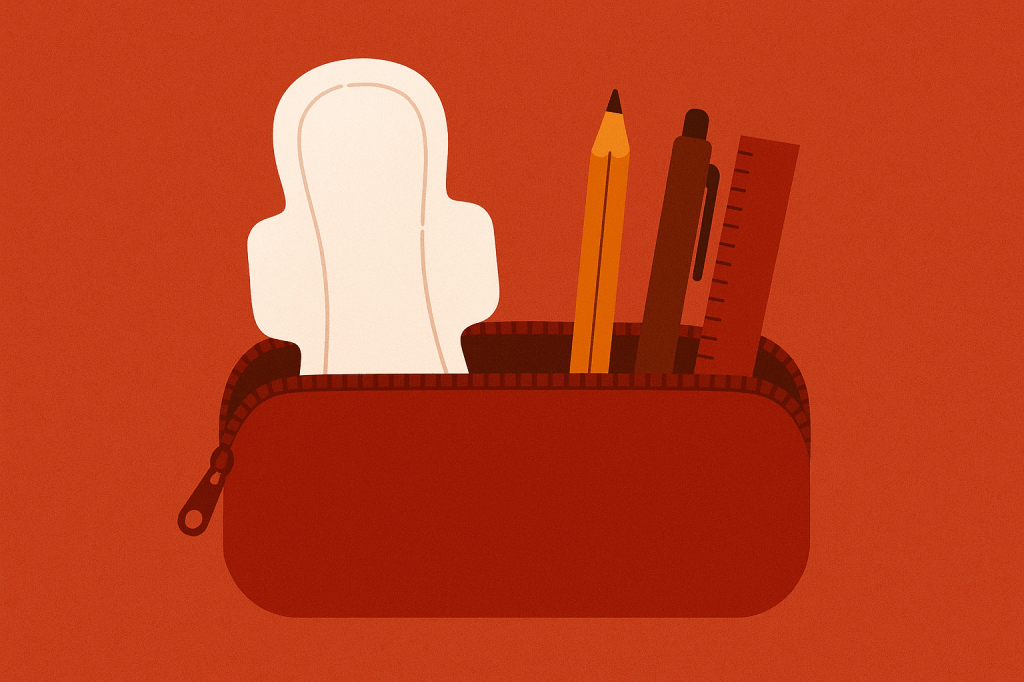
Education is a gateway to opportunity, especially for girls without privilege or “connections”. No girl should be left behind because of her period. Pads should be considered as essential as stationery in every school environment.
What we can do
And in little ways, we can all make a difference. Buying a pack or two of pads for schoolgirls who cannot afford them may feel small, but it is an invaluable investment in their future. More importantly, it begins with open conversations, breaking stigma and building a world where menstruation does not hinder education.
#ForAPeriodFriendlyWorld
Discover more from Megan Sekenhamo
Subscribe to get the latest posts sent to your email.

 Megan Sekenhamo