

I remember when I was a little girl, my mother would buy me different books to read. From that young age, my reading habit was nurtured. I was always the little girl who, when tired of playing with others, would find a quiet corner to sit and take out a book. Reading has always been, and still is, both an escape and an adventure for me.
Before I could read for myself, my mother would read to me, mostly in the evenings or during the weekends. My little imagination would swell at the stories read, and the kaleidoscope of the vivid pictures in the books would light up my world. It made me determined to learn to read for myself and once I learnt how, I never looked back.
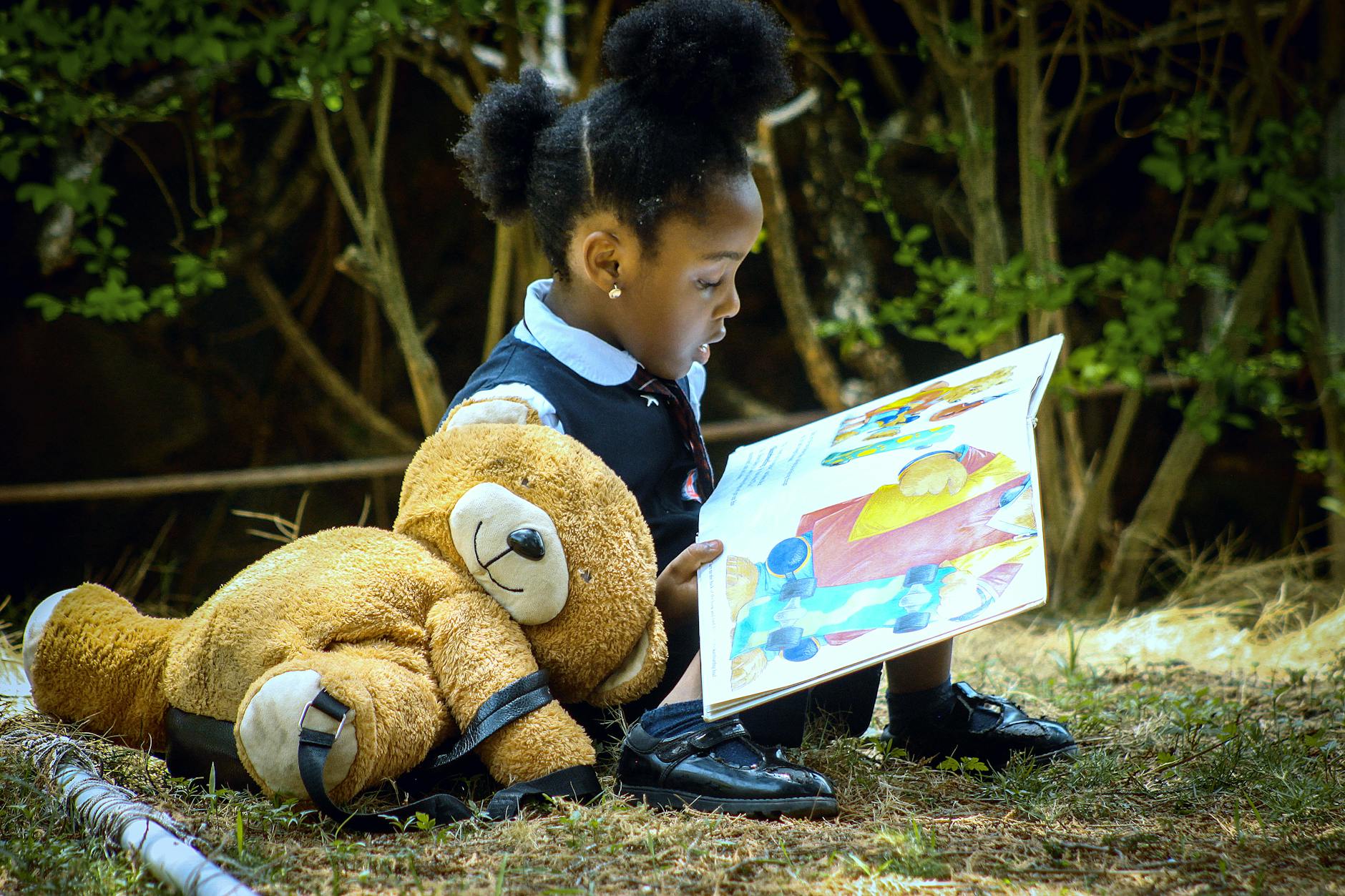
My childhood was filled with many books, with Roald Dahl and Enid Blyton being the most common authors. They immersed me in their worlds and sparked a creative streak in my mind at a young age. I don’t recall reading any children’s English books by African writers at the time, except for the yellow Sunrise Readers’ books we read at school. Although these books were appealing to children and filled with interesting stories, some of the things seemed so far removed from my reality as a child growing up in Zimbabwe. Zimbabwe is a landlocked country with no sea or beaches, the weather is usually moderate, and our winters have no snow; these concepts were hard to grasp. The characters in the books were mostly always Caucasian children with blue eyes and blonde hair, while I, on the other hand, was a Black child with afro hair.

Even with dolls, they were always white dolls with blonde hair and blue eyes. It’s only recently, as an adult, that I see Black and brown dolls with hair that looks like mine, and I’m glad this kind of representation is now available to little girls who look just like me.
It was only when I got to university that I was truly exposed to the world of African literature. I vividly remember the first time I discovered the African literature section in the library—my mind could not fathom the vast array of rich stories tucked into these books, written by authors from all corners of the African continent. Since then, my reading has been heavily focused on African literature. Over the years, I have experienced the works of authors such as Tsitsi Dangarembga, Chimamanda Ngozi Adichie, and Buchi Emecheta, among others. I use the word ‘experience’ because it truly is an experience to read their work. It’s almost as if you are transported into the world the book creates – stories which span generations and touch on a range of issues mainly relating to the narratives of African women, from religion to relationships, fertility, education, patriarchy and many more The stories are timeless and more relatable. Even more poignant is the realization that our lived experiences on the African continent—though not exactly the same—intersect.

It is truly heartwarming to see more African writers emerging and gaining traction. Writers like Yaa Gyasi, Pettinah Gapa, Sefi Attah, and others have made a name for themselves in recent years with their rich stories and fresh narratives. These narratives provide an in-depth look into the complexities of various African communities—both within the continent and in the African diaspora—offering perspectives beyond my own.
An interesting aspect of African literature is how it intertwines with modern life. The lessons from Chinua Achebe’s famous work Things Fall Apart are still relevant today, especially in the struggle for identity and the ongoing ripple effects of colonialism, which continue to shape the African continent. Events and catastrophes that have significantly impacted different African nations and their people—such as the Transatlantic Slave Trade, Gukurahundi, Apartheid, the Rwandan Genocide, the Biafran War, and many others—are explored in the works of contemporary African authors. This exploration is crucial, not only in understanding our history but also in finding ways to move forward, without being hindered by the weight of the past. Even stories that once seemed too painful or taboo to discuss are now being brought to the forefront. This in itself is a small victory for our representation as African people, regardless of our diverse cultures and backgrounds.
Through reading, I can say I have lived ‘a thousand lives’—from being immersed in Kambili’s world, to Tambudzai’s, to Nnu Ego’s—and I will continue to live many more as I read. I have drawn a plethora of lessons, such as resilience, hope, finding my voice, understanding the weight of tradition in the African context, and overcoming societal barriers, among many others. These are not just fictional characters in books, but stories drawn from real people and their diverse experiences, which have shaped them.
Discover more from Megan Sekenhamo
Subscribe to get the latest posts sent to your email.

 Megan Sekenhamo