
Introduction
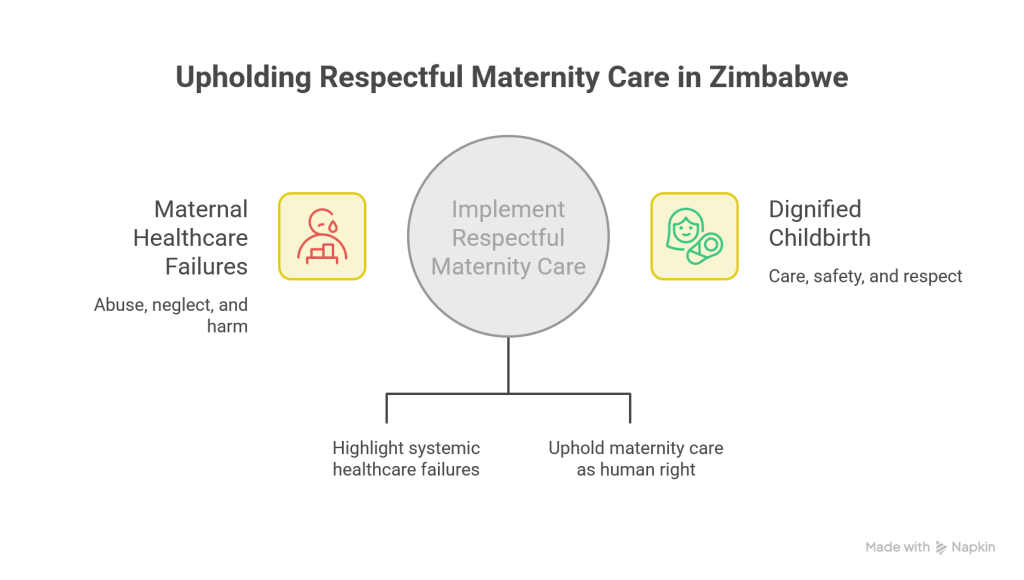
Childbirth is supposed to be a moment of dignity, care and safety for women. Yet, that is not the case for many women in Zimbabwe who have and continue to be on the receiving end of abuse, neglect and preventable harm.
This brief highlights several anonymized survivor testimonies which highlight systemic failures in maternal healthcare and calls for urgent action in upholding respectful maternity care as a fundamental human right.
The Problem– Disrespect and abuse in maternity care
Disrespectful maternity care refers to the mistreatment of women during pregnancy, childbirth and postpartum period in healthcare facilities.
It includes:
- Abuse- physical & verbal
- Abandonment
- Lack of informed consent
- Discrimination and stigma
- Denial of essential care
- Non-consensual/ disrespectful vaginal examinations
All these factors undermine health outcomes and human dignity.
Survivor Testimonies
The following anonymized accounts reflect recurring patterns of abuse at different healthcare facilities in Zimbabwe:
1. “Left in my own blood“
After giving birth, I was left alone for hours without food. From afternoon until around 1:00am, no one checked on me or brought me anything to eat. I was cleaned once, but I continued bleeding and I was left lying in that blood, weak and unable to move properly. There was no one to help me wash again or even assist me to go to the bathroom. I felt abandoned at my most vulnerable moment, like my life and dignity did not matter once the baby was born. – Kudzai*
2. “No justice for my baby“
My baby died after a nurse fed her formula and she choked. The hospital told me they would investigate what happened. I held onto that promise, hoping for answers or accountability. A few years have passed and I still have not received an update or explanation. I have no closure. – Tariro*
3. “A surgery that changed my life“
I went in for a caesarean section, trusting the doctors to take care of me but something went wrong during the procedure. My bladder was cut during the operation. Afterwards, I struggled with complications, but the hospital offered little to no support. I was left to deal with the consequences on my own. – Rukudzo*
4. “No one listened“
I kept going back to the clinic because I couldn’t feel my baby moving. I knew something was wrong. I raised my concerns at each visit, but they were dismissed. I even asked for a scan, but I was not helped. On my due date, I finally learned the truth, my baby had been dead inside me. – Fortune*
5. “Shamed for being young“
I was a teenager when I gave birth. Instead of care, I was met with insults. The nurses told me, ‘You opened your legs on your own, so endure the pain.’ I was scared and in pain, but I stopped asking for help because I didn’t want to be humiliated again. To this day, those words stay with me. I am still traumatised by the thought of giving birth. – Thandi*
Why this matters: A Reproductive Justice Perspective
Reproductive Justice goes beyond just access to healthcare services and further demands that every woman must be treated with respect and dignity throughout the pregnancy, childbirth and postpartum journey. It reminds us that the efficacy of a health system is measured not only on the basis that a woman survives childbirth, but also by whether she is treated with dignity throughout the process. Respectful maternity care is therefore a fundamental component of reproductive justice because it ensures the respect, dignity and empowerment of women throughout their reproductive journeys.
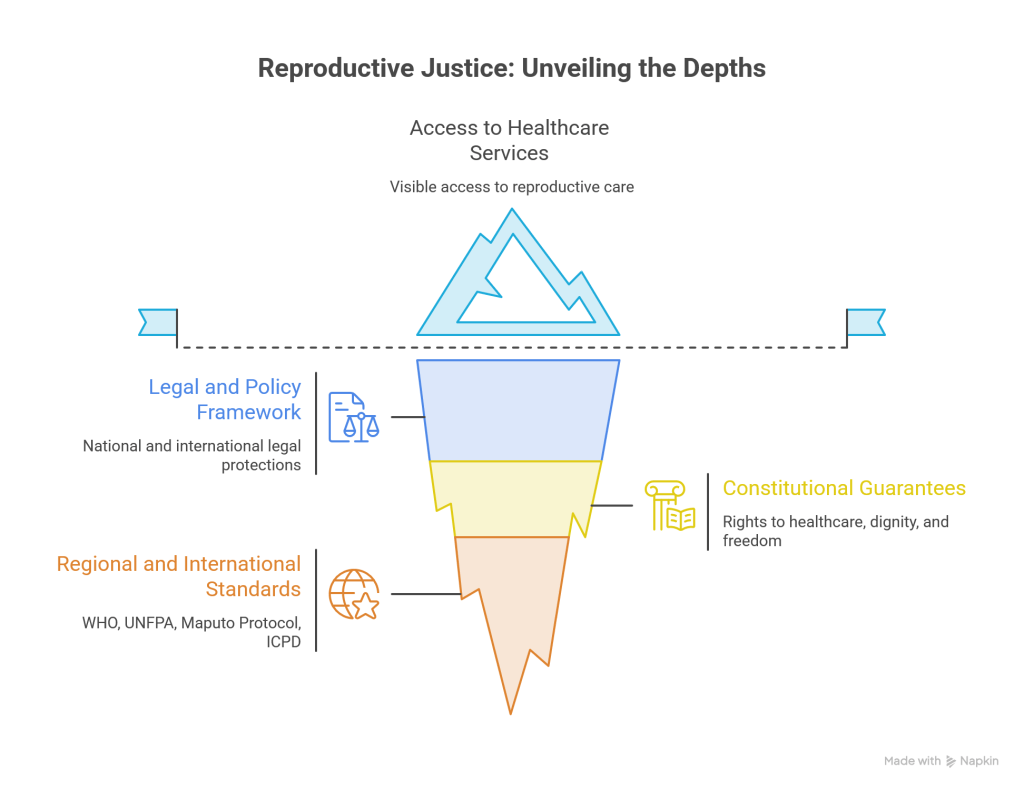
Legal and Policy Framework
National
Constitutional guarantees:
- Section 76- the right to healthcare services, including reproductive health
- Section 51- the right to human dignity
- Section 53- the right to freedom from cruel, inhuman or degrading treatment
Regional and International standard
- World Health Organisation (WHO) – recognises respectful maternity care as essential and quality healthcare.
- United Nations Population Fund (UNFPA) – emphasises dignity and rights in maternal healthcare.
- Protocol to the African Charter on Human and People’s Rights (Maputo Protocol)- Article 14 obliges states to ensure the right to health of women, including reproductive health.
- International Conference on Population and Development (ICPD) -Maternity care must uphold a woman’s dignity. This means zero tolerance for verbal abuse, physical mistreatment, or obstetric violence in health facilities.
Key issues:
5 systemic failures emerge from the testimonies:
- Neglect and under-staffing
- Lack of accountability mechanisms
- Disregard for informed consent
- Discrimination (based on age, socio-economic status etc)
- Weak patient-centred care systems
Recommendations
For Government:
- Enforcement of respectful maternity care standards, in practice.
- Establishment of independent complaint and redress mechanisms at District, Provincial and National level.
- Increased funding for maternal health services and staffing, especially in marginalised areas.
For Healthcare Institutions:
- Continuous training of healthcare workers in respectful rights-based care.
- Ensure documented and mandatory informed consent.
- Introduction of patient support systems (birth companions, counselling).
For Civil Society and advocates:
- Amplify survivor voices
- Monitor and document abuse cases
- Advocate for policy reform and accountability
Conclusion
These stories are not isolated incidents, rather they are evidence of systemic failure. They are stories of real women who have been failed by the system.
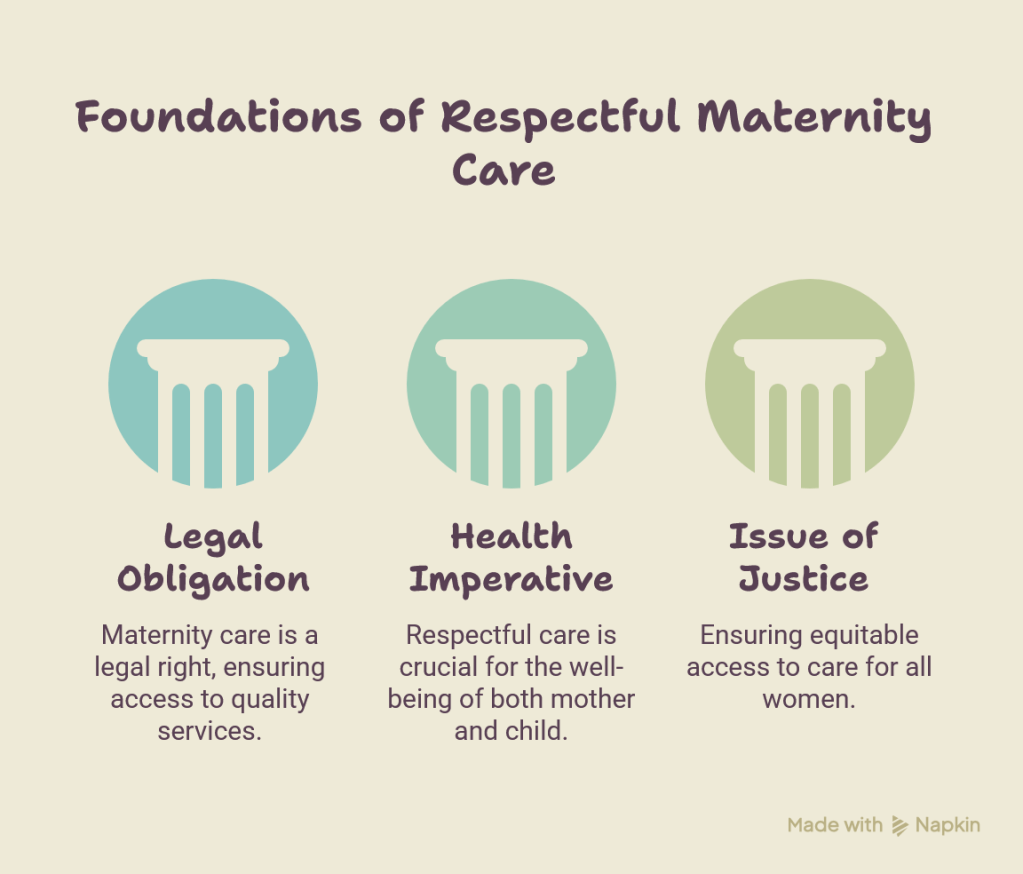
Respectful maternity care is not optional. It is a legal obligation, health imperative and an issue of justice.
No woman should choose between accessing care and preserving dignity.
Discover more from Megan Sekenhamo
Subscribe to get the latest posts sent to your email.


