
The Constitution of the Republic of Zimbabwe recognises that the right to healthcare extends beyond accessing healthcare facilities and medicine to include reproductive healthcare. Although the Constitution does not explicitly mention “respectful maternity care”, there are several Constitutional provisions which work together to protect women during pregnancy, childbirth and the postpartum period.
Section 76- the right to healthcare
Section 76 guarantees all citizens and permanent residents of Zimbabwe the right to healthcare, including reproductive healthcare and also states that no one should be denied emergency medical treatment.
For pregnant women- this means that they have the right to access antenatal care, attendance by skilled healthcare workers during childbirth, emergency care if complications arise and postpartum care. The state has a responsibility to take reasonable measures to realise those rights within available resources.
However, access to healthcare services alone is not enough, care must be provided with respect to the rights and dignity of every woman.
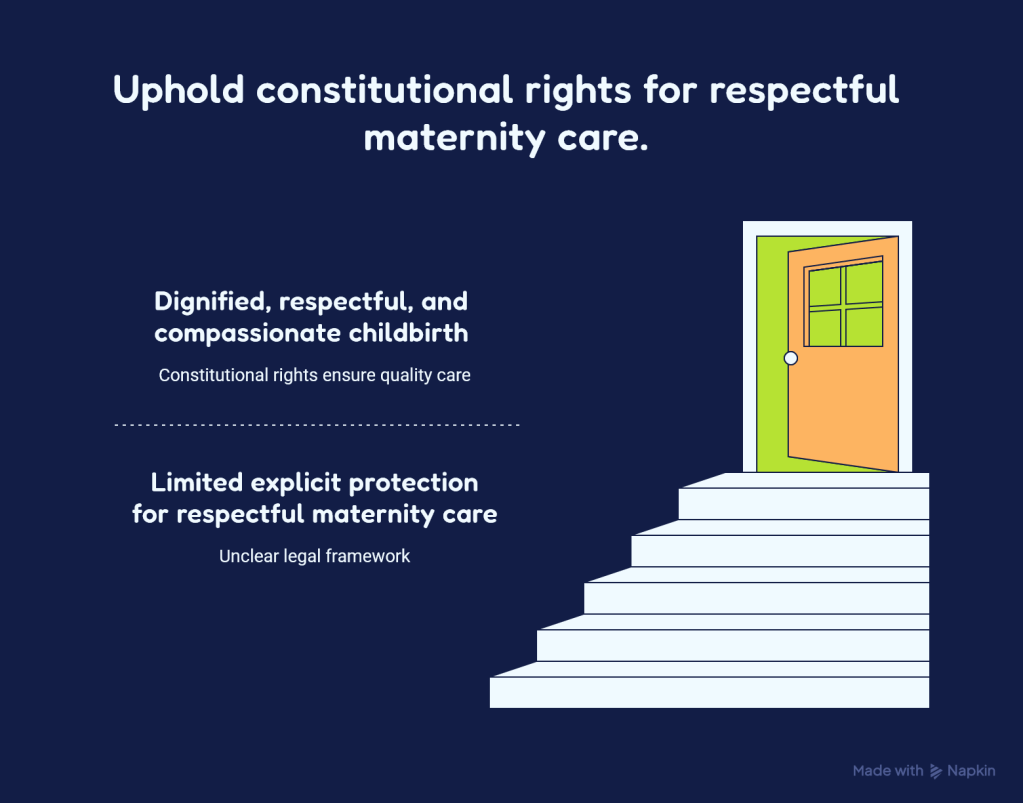
Section 51- the right to human dignity
Section 51 guarantees the right to human dignity and also the right to have that dignity respected and protected.
In maternity care, this means that women should be treated with respect and compassion. Insults, humiliation, physical/verbal abuse and degrading treatment have no place in such settings. Every woman has the right to be treated with dignity regardless of her personal circumstances.
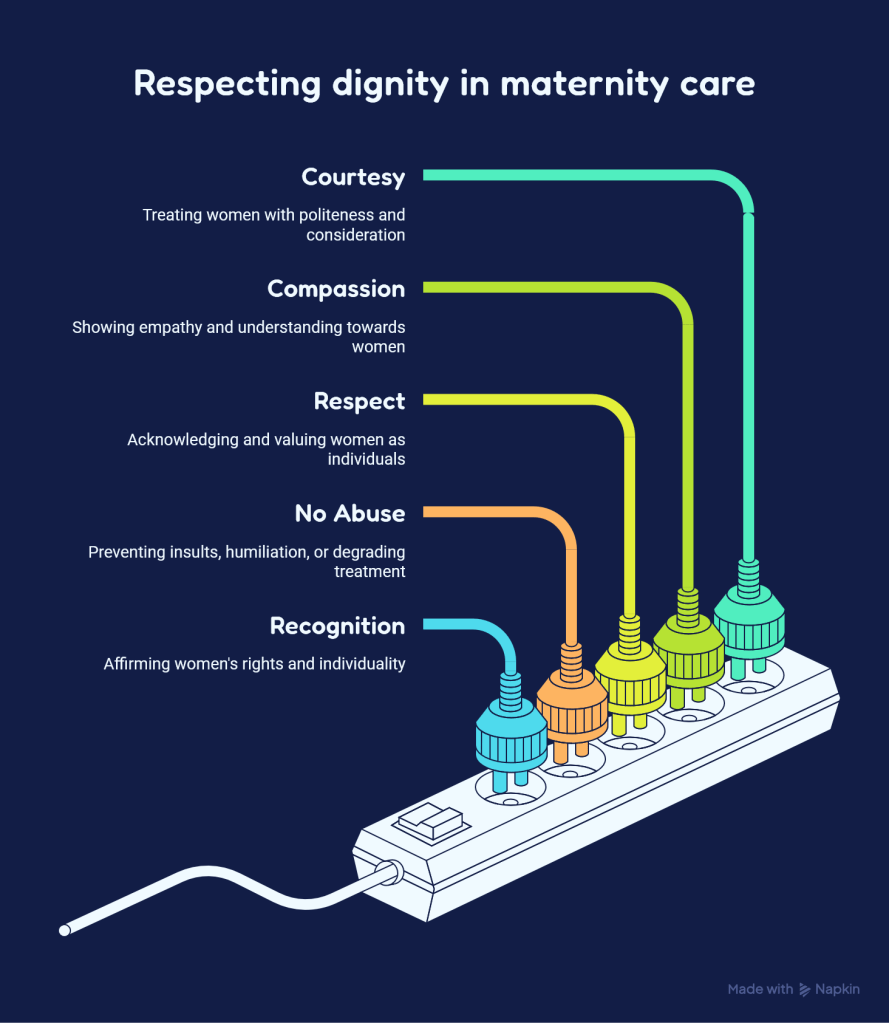
Section 53- freedom from torture, cruel or inhumane and degrading treatment
According to Section 53, no person should be subjected to torture, cruel or inhumane and degrading treatment.
This means that no woman should endure abuse, threats, intimidation or neglect at any stage of her maternity care journey. Healthcare facilities should be places of safety and care.
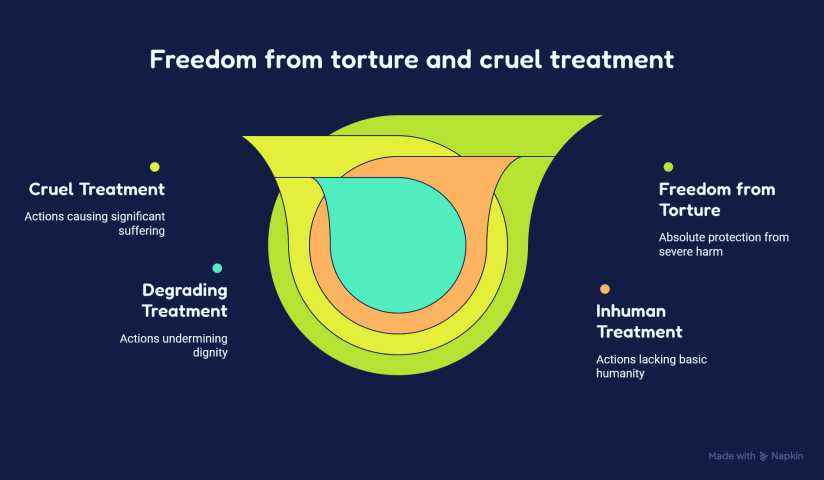
Section 56- equality and non-discrimination
Section 56 guarantees that every person is equal before the law and therefore has equal protection and benefit of the law.
This means that every woman receiving maternity care should receive the same standard of maternity care, free from discrimination or bias on the basis of age, socioeconomic status or religion.
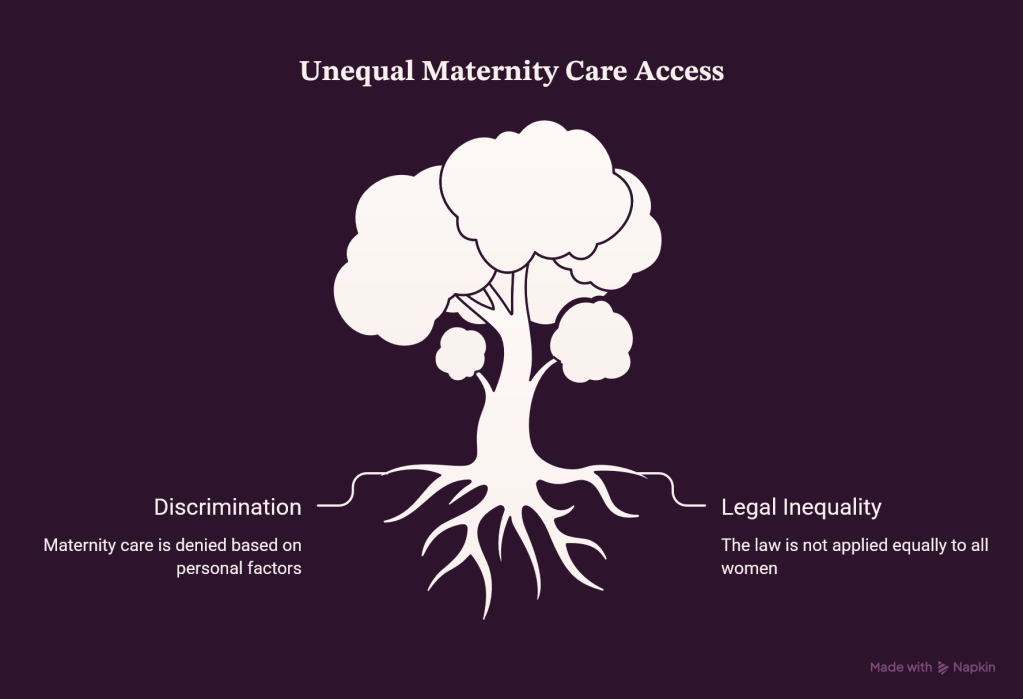
The legal gap
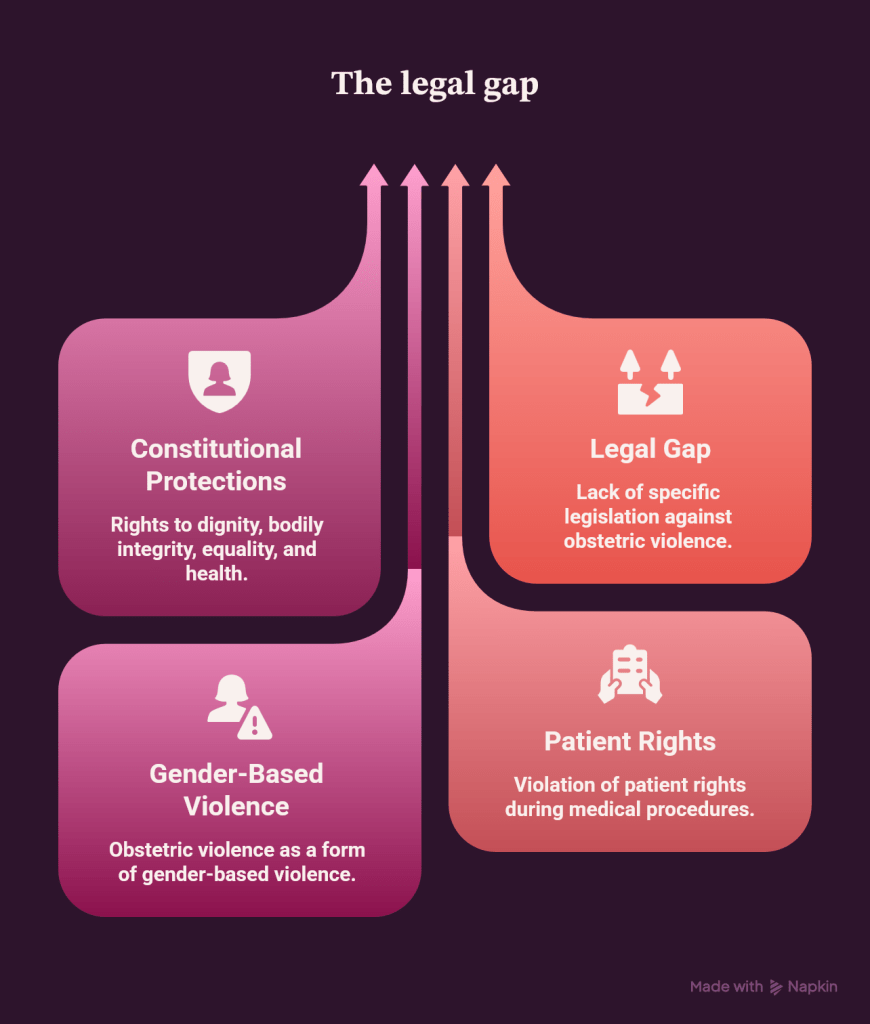
However, despite these Constitutional provisions, Zimbabwe does not currently have specific legislation which defines obstetric violence. Obstetric violence refers to the mistreatment experienced by women during labour, childbirth or postpartum period.
This may include verbal abuse, neglect, humiliation or medical interventions carried out without informed consent. These actions may violate Constitutional provisions to dignity, equality and non-discrimination however, because there is no specific legal framework to address this as a distinct form of violation or abuse, women may face challenges in seeking accountability and effective remedies.
Why is this important?
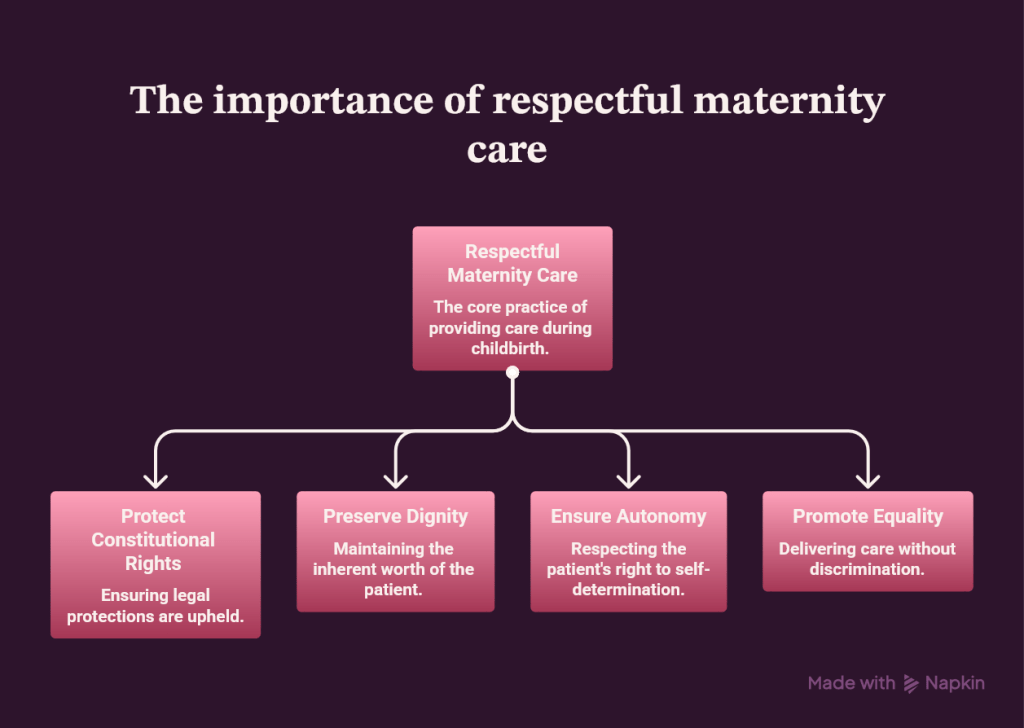
Respectful maternity care is not only about being courteous, it is about protecting women’s rights and ensuring that they receive healthcare which preserves their dignity, autonomy and equality. This contributes to healthier mothers, healthier babies and better communities.
Conclusion
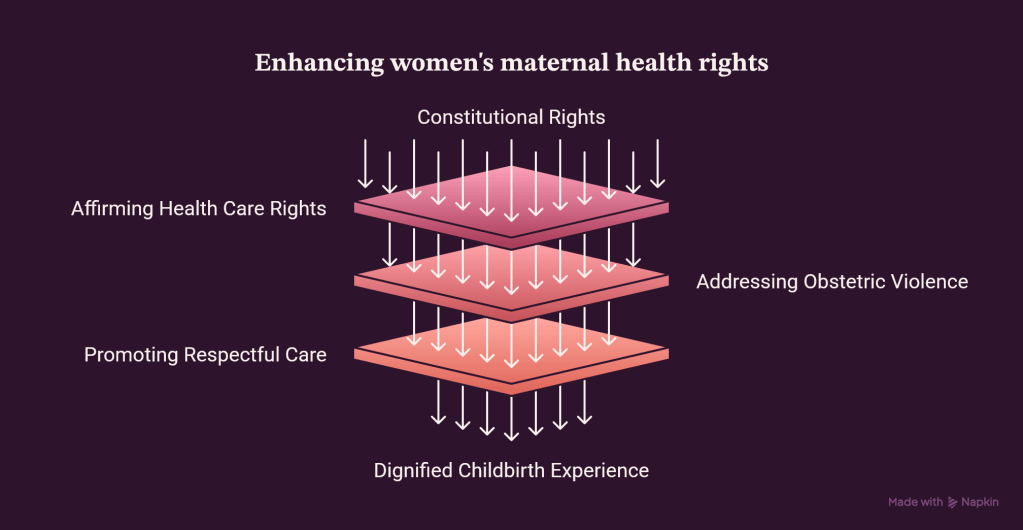
Zimbabwe’s Constitution provides a strong foundation for the protection of women’s rights during pregnancy and childbirth through Sections 51, 53, 56 and 76 which affirm women’s rights to accessible healthcare which is respectful and free from discrimination or abuse. Addressing the legal gap on obstetric violence and promoting respectful maternity care is essential to ensure that every woman not only survives childbirth but experiences it with dignity.
Discover more from Megan Sekenhamo
Subscribe to get the latest posts sent to your email.

 Megan Sekenhamo